Key takeaways
Topics
Show notes
What does it really mean to be ready to sell a business?
Before going to market, sellers need to focus on readiness rather than valuation alone. Katie Mansell explains that businesses come to market in different states of readiness and that preparation should start early to protect value and make diligence easier for everyone involved. The goal is to create a smoother process and maintain strong relationships throughout the transaction.
What does financial readiness look like in practice?
Buyers want financial information that is accurate, reconciled and easy to understand. Katie Mansell explains that buyers look for accurate and reconciled financials, revenues that are easy to understand, and a profit and loss account that tells the story of the business. Historical performance is then used to help forecast future performance.
For software businesses, this means being able to explain recurring revenue, churn or attrition, customer concentration and changes in customers or key personnel. These metrics must withstand scrutiny and connect logically with the wider story of the business. Katie Mansell notes that businesses already tracking these metrics are likely to be stronger businesses, regardless of whether they are preparing for a sale.
Why does organisational readiness matter to a buyer?
Organisational readiness helps answer an essential buyer question: can the business continue to perform and grow after the transaction closes?
Catherine Walker explains that buyers assess whether key knowledge, leadership capability or critical processes depend on a founder or a small number of individuals. Buyers want confidence that business performance is repeatable and not accidental. To assess this, they look at role clarity, leadership capability, succession and scalable operating practices to determine whether the business can continue to grow after the transaction closes.
Where do sellers commonly fall short?
On the people side, sellers can underestimate how long it takes to develop leadership strength. Building capable leaders requires sustained investment in people, culture, decision-making and autonomy. If a business begins preparing shortly before a sale, it may have limited time to address weaknesses in its leadership bench.
Financial challenges often arise when information is confusing or does not align with how the buyer needs to evaluate the company. Revenue may not be separated clearly between maintenance, professional services and licences, while employee costs may not be allocated by functions such as research and development, sales, marketing or customer support. Katie notes that where there is not a strong financial leader managing the process or leading a well-run finance team, this can have a significant impact regardless of what the profit and loss statement shows.
How does readiness differ between types of sellers?
Founder-led businesses, corporate carve-outs and professionally managed sale processes each bring different challenges. Founders may be selling for the first time and operating with a relatively light finance function, creating a larger readiness gap but also a greater opportunity to benefit from early preparation.
In a corporate carve-out, financials, systems and employees may be shared with a larger organisation. The buyer must understand the standalone profit and loss position, ongoing costs and which employees will transfer with the business. Professionally managed or broker-led deals may provide polished information and a tightly controlled timetable, but buyers still need to examine the underlying substance behind the presentation.
How do buyers assess leadership continuity?
Leadership continuity can represent either a known transition or an unidentified risk. Where a founder plans to retire or leave, the buyer can work with the existing team to establish a structured transition. The greater concern is an unknown dependency on individuals who hold essential knowledge, customer relationships, decision-making authority or operational expertise.
Buyers therefore assess the capability of the broader executive and management teams, the way decisions are made, the strength of talent pipelines and whether succession plans exist. They also look for supporting evidence, including leadership development programmes, internal promotion records, retention, tenure and turnover data, and documented success measures for critical roles.
What stands out during due diligence?
Strong preparation is visible when metrics are verifiable, assumptions are reasonable and the information presented is consistent with historical performance. For software businesses, recurring revenue by customer, churn, attrition and net recurring revenue are particularly important because they help buyers assess the stability of the revenue base.
Katie Mansell also highlights the importance of transparency. She explains that it is more constructive for sellers to discuss any pitfalls during diligence rather than having buyers discover them independently. Having those conversations earlier makes it easier to build relationships and discuss potential mitigations for any challenges identified.
What separates a well-prepared seller?
Katie Mansell explains that well-prepared sellers typically have a strong individual who is accountable for the process, coordinating information and answering queries throughout diligence. That person does not need to own every data point, but they should understand what the buyer is trying to assess and ensure that responses address the actual information request.
Preparation should be tailored to the buyer’s questions rather than based on assumptions about what might be required. This includes being ready to discuss quality of earnings, customer contracts, organisational capability, leadership, culture and other financial and people-related considerations.
Where can a deal become stuck or fall apart?
Katie Mansell explains that while profit is important, the ability to convert profit into cash is a key factor for buyers. Working capital, contract structures, deferred revenue and cash flow can all influence risk during a transaction.
Customer concentration is another material risk. Where a significant proportion of revenue depends on one or a small number of customers, the loss of a major account can materially change the business’s outlook. Katie Mansell explains that customer concentration can create significant risk, particularly when a large portion of revenue depends on one customer. She also notes that risks identified during diligence can sometimes be addressed through earn-outs, holdbacks and other deal structures designed to provide protection.
What can founders do to prepare now?
The first practical step is to consolidate reliable financial, operational and people data. Founders can also test key-person dependency by asking what would happen if they took a four-week holiday starting tomorrow. What decisions are you needing to make? What customers might become nervous? Would the team struggle to operate without you?
This exercise can expose opportunities to document workflows, clarify responsibilities, strengthen decision-making and reduce reliance on individual team members. Catherine Walker also encourages founders to seek support early, noting that the process can create anxiety and that preparation can help people feel ready for the steps involved.
How early should a business begin preparing?
Ideally, founders should begin thinking about organisational readiness 12 to 24 months before a potential transaction. This creates time to make meaningful improvements rather than applying superficial fixes immediately before going to market.
Leadership capability, succession, culture, habits and reduced key-person dependency take time to develop. Early preparation also allows the business to consolidate documentation, improve processes and help the team prepare for the change associated with a potential transaction.
Why is a strong finance leader so important?
A strong finance leader improves information flow, helps diligence progress efficiently and supports a smoother integration after closing. Katie Mansell explains that a lot of integration work takes place within the finance and people functions, particularly when aligning processes and systems after an acquisition.
In founder-led businesses, the CEO may informally carry responsibilities that would otherwise sit within a finance leadership role. Identifying and strengthening this capability before a sale can improve the transaction process and reduce pressure during the first stages of integration.
Which red flags matter most to buyers?
Red flags can include governance or legal compliance concerns, missing or inconsistent financial, operational and people data, unclear customer contracts, and signs that culture or employee engagement may not be sustainable.
Catherine Walker notes that no business is perfect and that every business reviewed during diligence will typically present some form of red flag. Common concerns include governance and legal compliance issues, inconsistent or missing data, and risks relating to culture or engagement. Katie Mansell adds that while certain risks may change the structure of a transaction, there are relatively few red flags that would completely stop a deal.
Transcript
Katie Mansell (00:00)
Nobody really enjoys diligence, buyers included. You know, it can be a bit of a painful process.
Catherine Walker (00:05)
I don't think I've seen anyone achieve perfect. I think there's always an element of imperfection.
Katie Mansell (00:10)
But we can always change a business or mold a business after purchase to make it more profitable.
Lynne Salmon (00:27)
Before you go to market to sell your business, there is work to do, and it's not just about the pitch deck. I'm Lynne Salmon and this is the Omegro Effect, a podcast for founders, CEOs, and business leaders navigating exits, carve-outs, and what comes next. In our last episode, we talked about leadership growth for acquisitions. Today we go back a step. What do you need to clean up before you even start the process? Because the best deals are not ones on valuation alone.
They are ones on readiness. To explore what readiness really looks like, I'm joined today by Katie Mansell, Chief Financial Officer, and Catherine Walker, Chief People Officer at Omegro. Katie, Catherine, great to have you both here.
Catherine Walker (01:10)
Thank you.
Katie Mansell (01:10)
Hi Lynne.
Lynne Salmon (01:12)
Before we get started, let's tell our listeners a little bit about yourselves. Katie, would you like to share your background with us?
Katie Mansell (01:19)
Yeah, thanks, Lynne.
So I'm the CFO for Omegro and I've been within Volaris for 11 years. I lead a decentralized global finance team. We're based in all of the places that Omegro have got businesses. And I started as a financial controller and then I've worked in different areas. I've got a different range of experience from working within a business operationally, through to leading M&A processes from a financial perspective.
Lynne Salmon (01:51)
Thanks, Katie. And Catherine, how about you?
Catherine Walker (01:54)
Hi everyone, my name's Catherine. As Lynne said, my role as Chief People Officer within Omegro, I'm currently working in a global role and I've been in this role just shy of three years now.
I'm based in Australia, but look after a global team of people supporting acquisitions and working in the people space across the world. My role, really, I'm super passionate about People First and helping our businesses grow in that space.
Lynne Salmon (02:21)
And today we'll be talking about both financial and people readiness before going to market. So Katie, why don't we start with you?
When we talk about financial readiness, what does that actually mean in practice?
Katie Mansell (02:33)
So the first thing to know is that Omegro are a decentralized software group and we're acquisitive by design. And we spend a lot of time looking at businesses and they come to market in various states of readiness. The first point really is that the work needs to start early and a lot of businesses that we see, their story is fixed a long time before the letter of intent is signed. And I think what we see is that sellers often underestimate how early the work needs to start and they really need to think about protecting value in the business probably around 12 to eight months before they decide to go to market.
I think the second point that I'd make is that the approach to readiness can depend really on who's selling. We're not just buying from one type of seller. Our deals are coming from founder led businesses, but there are also corporate carve outs and also professional sellers. So brokers might lead a deal as well. So the approach to financial readiness is going to be a little bit tailored depending on who that seller is.
And probably the third point, which I'm sure Catherine sees as well, is that nobody really enjoys diligence, buyers included. You know, it can be a bit of a painful process. Really the whole point of readiness and preparation is to make it easier for everybody in the process, to make it as smooth as possible so that, hopefully we come out at the end with a deal and everybody has still got really strong relationships.
Lynne Salmon (04:04)
Let's now talk about relationships and that's probably a nice segue to you, Catherine. Let's tell our listeners in terms of people management or talent management, what should they be preparing themselves for?
Catherine Walker (04:15)
Yeah, sure. there's a number of different things in talent management. I could talk all day on it, to be honest, but if you were looking purely at organisational readiness and what matters to buyers in that particular space, organisational readiness is all around whether the business can scale, whether it can integrate, whether it can create value without being dependent on a handful of individuals. So as buyers, what we're trying to answer is simply one question.
Can this business continue to perform and grow after the transaction closes? And if the key knowledge sits with one founder or a leader or a couple of leaders, or potentially the leadership capability is thin or processes are inconsistent, it creates risk. So buyers see risk as uncertainty and uncertainty impacts then that value. So essentially what we're looking at is strong organizational readiness that gives that buyer confidence that the business performance is repeatable and not accidental. So purely with the people hat on, from that people perspective, what I look for is things like what leaders and critical team members are in place within the organization? What's the purpose of each of their roles and their associated accountability areas? So, you know, what are the key drivers, the key outcomes for the critical roles the business has in those areas and how do they measure that success?
And finally, one of the key things I look at is what's the business's unique culture? As you probably know, Omegro is very decentralized. So we like to support individual culture post-acquisition, but it's really important for us to get to know that pre-acquisition and then how that supports the business's growth and goals moving forward. So essentially what we're looking at in Omegro is role clarity, leadership capabilities, succession and whether there's scalable operating practices that's going to help enable growth for that business. Because as you know, we're buying, you know, software products and customers, but really importantly, we're also buying the capability of that organization and the people to then be able to execute on its promise into the future. So change management is really key, you know, in a world that we're facing at the moment where markets are fast, technology is really rapidly evolving.
AI is transforming how businesses operate. The businesses that can embrace learning and change and continuous improvement with their teams are the ones that are becoming more attractive in the market because they can evolve with the market. And we're looking at long-term sustainability. So essentially what we're hoping to achieve is not only through diligence how the business performed yesterday, but how prepared it is for that future moving forward.
Lynne Salmon (07:01)
And Katie from a financial perspective, what do we as a buyer look for first?
Katie Mansell (07:06)
So we're really looking for, when we get into the diligence process, we're looking for accurate information, we're looking for accurate and reconciled financials, and probably a bit of a story. We're looking for revenues that are easy to understand, profit and loss account that tells a story of the business. Similar to what Catherine said, we're looking in the past to see how the business has performed previously
But we're also using that to build our future, so to forecast how the business is going to perform. And that's easier if we've got really clear information, if we've got a story about how the business has performed in the past, and then we can estimate how the business is going to perform in the future.
We'll look at the metrics of the business as well. We're a software business. So we're thinking about things like recurring revenue churn or attrition and also customer concentration. So do we have a lot of revenue that's concentrated in one or a few customers and those metrics really need to stand up to scrutiny. If there's been a lot of recent change in the business as well, we're also looking for that story. Whether there's been customer movement or maybe key personnel have moved around, what's the story behind that? Does it bring us risk for the future? Does it change our perspective about what the historic financials look like?
And I think a lot of the things that we're looking for also help, you know, our current business to manage the business in the now as well. If they're looking at those metrics now, it's probably going to be a stronger business for whoever is holding it at the moment. And it's often things that they should also be thinking about the same as the things Catherine mentioned, you'd want a strong business to be thinking about whether they were selling the business or not.
Lynne Salmon (08:58)
So where do you think founders or sellers in general fall short? Maybe we'll start on the people side first, Catherine, and then then we'll go to the financial structure side.
Catherine Walker (09:11)
It can really depend on the type of business that's in place and the lead in time potentially that they're thinking about selling in. So sometimes if there is quite a short turnaround time or it's a quick decision around potentially selling, some of the things that can show up in terms of falling short can sometimes be just in that leadership bench strength. So leadership strength takes a while to grow, you know it takes a while to kind of invest in your people, develop your people and build the culture, traditions and decision making and autonomy that supports strong leadership. So I find often that if the business isn't strong in that space and they're wanting to sell, don't have a good lead in time to be able to build that. That can be an area of development potentially that that's identified through that process.
Lynne Salmon (10:02)
And Katie, from a financial perspective, obviously you have to go through their financial structure in detail through the due diligence process, but where do they often fall short when it comes to the numbers?
Katie Mansell (10:13)
Yeah, so I think one area where people might fall short is actually more on the people side. If there's not a strong financial leader in the business who's either like managing the process in terms of providing us with information or, you know, leading a well-run financial team, then that can actually have a significant impact, never mind what the profit and loss is saying. So the organization of the finance team itself is pretty important and is often a key role in the diligence process. I think in terms of the financials, it's normally just where we've got confusing or messy information.
We look at a business in a particular way. If revenue, for example, is all mixed up between maintenance revenue, professional services, licenses, all of that is combined in the profit and loss accounts. That's not always how we would look at a business, so that can take us a bit of time to unpick. We're also looking at businesses in a particular way in terms of their costs. So we look at people in terms of the function that they carry out, whether they're in research and development, for example, sales and marketing, customer support and when it's not clear how the costs are allocated across those functions it can make it a bit more difficult for us to understand the business. So that's not to say that it's kind of impossible and everyone has to do things our way that's for us to work out but the clearer the information that we've got obviously the easier the process can be.
Lynne Salmon (11:43)
And you talked earlier about readiness depending on who's selling. Do you want to just take our listeners through the different types of sellers that we come across throughout the acquisition process?
Katie Mansell (11:55)
Yeah, sure.
So we see founder led businesses and I think this is probably our most common source of deals. And if you're a founder that's leading a business, often you're selling a business for the first time. So it's your first time through this process. You might have a professional advisor, but you're kind of, you're new to it, you might not know what to expect. Maybe the business is a little bit less experienced in terms of preparing for this type of sales process, they're often using local gaps or local accounting standards and they might have a lighter finance function so they might not have a heavy-hitting FD or CFO they might have a bookkeeper in place or a finance manager that's doing a really good job but again they're not used to what a listed company might be looking for when they're buying a business.
So there's often the biggest gap here in terms of readiness, but they've probably got the most to gain from preparing upfront for a process. I think a corporate carve out is where we're buying a business from a larger organization and we're pulling out kind of customers and staff and the business from someone that's larger.
And here they're going to have financials that exist, but they're going to be mixed in with the larger organizations business. So it can be a lot more complicated to understand the individual P &L, what the standalone costs are. And then also trying to work out what we have on an ongoing basis. So particularly on the people side, Catherine might see that you know, the corporate entity might want to retain some staff in the larger organisation and then we get an incomplete workforce that's coming across. So trying to understand those elements are really important. So for them, it's really key to try and make sure that we've got a separate P&L and that we understand the business on a standalone basis.
And then the third element that I mentioned was a professional seller, so often a broker led deal. And here we actually see quite polished information. We often have quite a tight timetable because there's a competitive process. But sometimes there's a lot of gloss on the information. But we've got to work hard then to see kind of like the grittier stuff underneath, of look behind the you know the professional work and see what's really going on in the business.
Lynne Salmon (14:22)
So financial readiness is about confidence and clarity, but there is that other side, obviously. And Catherine, what does organisational readiness look like and why does it, from a people perspective, matter?
Catherine Walker (14:38)
From an organisational readiness perspective, buyers gain confidence when they can see a number of different things within the business. So things like clear decision making structures and processes, having well defined business processes and workflows. So as being able to understand how the business operates and how you go from, you know, connecting with clients all the way through to building and delivering a product to managing the finances associated with that.
Governance is a really strong driver there ensuring there's good strong governance processes in place. And then as Katie touched upon having reliable people, financial and operational data that supports the story and can help tell the story. From a people perspective, having robust onboarding and talent management practices also really help in terms of, you know, that readiness factor. So what we found is the stronger the operating system behind the business, the easier it is for the buyer to understand how that value is created and how it can continue to be created into the future. So those businesses with strong leadership, clear processes, a really healthy culture and scalable practices generally will have more strategic options moving forward. So we can work with them to be able to grow faster, integrate posting acquisition more effectively, be able to attract better talent and be able to navigate change with greater confidence. So, know, buyers place a premium on organizations where they can say yes to those things, which is why readiness matters so much. It reduces that risk, but it also increases your confidence as a seller moving forward and demonstrates, you know, what value your business has and how your people, your leadership, your culture and your operating disciplines all feed into that.
Lynne Salmon (16:24)
So we've talked about risk and leadership continuity. How do you assess leadership continuity or the risk thereof?
Catherine Walker (16:32)
With leadership continuity, it can be, I like to say it's either known or unknown. And so similar to what Katie was saying before, when you come into deals, can all vary a little bit. And the leadership continuity I find, particularly in founder led situations, the businesses may be being sold because the founder's planning on leaving or retiring. And they've actually pre-disclosed to us that there's no leadership continuity risks.
And these circumstances where we're inheriting a business potentially that has got a known change, what Omegro generally does then is just work with that team and the founder potentially to understand what that change is and put a leadership transition in place that's going to support continuity moving forward. Often I find in founder situations, one of the reasons they do sell to Omegro is because we help them with their talent management processes. And we're in it for the long haul, right? We want to see that succeed. That business succeed over the long term. So we're trying to invest in the talent they've already got and the business to rise to the next challenge that's coming up for them. So in situations where it's known, it's just around planning and support for that business and the leadership team to transition.
But leadership continuity, I think is really around understanding how dependent a business is on a small number of individuals. So the key question, you know, as a buyer would be asking is, if your leader left tomorrow, what would happen to your performance, your customer relationships, your employee engagement and your growth? So in circumstances on the flip side, where I said this unknown leadership, so we've talked a little bit about known, this is the unknown, where there's unknown leadership continuity risk, we would generally look at a number of factors. And one is kind what I touched on before.
So key person dependency, you know, are there people within the business that hold all the knowledge when it comes to decision making, customer relationships, operational expertise? And if the answer is yes, there's a little bit more risk in that scenario. Essentially as a buyer, we want to be able to have confidence that the business can continue operating effectively, even if someone's moving on in the future.
When we're assessing this, we're looking at you know, not just the CEO in the business, we're looking at what's the executive team capability. If there's a middle management team, you know, who are they and what's the strength of that team? Where do their strengths show up? How do they decision-make as a leadership team and that people empowered in different spaces to be able to do that and where they've got them, what are the talent pipelines that are feeding into the leadership capability of that team? Essentially we're looking at, know, do we have a situation where there's a great CEO? But potentially without a strong leadership team, that's still a risk to us. We really want to look at, you know, what's the collective capability of that business with the people that work within them and not necessarily the individual heroics that support that as well.
Succession planning is another area. So does the business have a succession plan? Often sometimes they don't. And that's something that we can partner and support them with into the future as well. But we want to ensure that, you know, that leaders aren't, you know, only one lead is not replaceable, that we really want to look at making sure that organization's resilient moving forward. And probably the third thing that I'd point out is that buyers want evidence. So a lot of the times when we're talking to people, we've got a great culture, we've got a great team. We're like, that's awesome. How do you quantify that? So what kind of things can you show or share during diligence that quantifies that you've got a fantastic and an awesome team? So the types of evidence that we often see in that space are around, they might have leadership development programs or some form of internal development for their team. They may have internal promotion history records that they can share. We really look into what's the retention figures or the tenure and the turnover stats of that team and offer key leadership roles? As I mentioned before, what are the success factors for roles? How do they document and demonstrate that? So the stronger the evidence, the more confidence essentially that we have that that leadership risk is actively being managed.
Lynne Salmon (20:43)
And while we're talking about what buyers are actually looking for, Katie, what stands out in the due diligence process when we're deep in it?
Katie Mansell (20:52)
Yeah, so I think it's probably easier for finance when we're looking for evidence. I think probably Catherine's got a harder job when she's looking for people based evidence because it can be a bit more subjective, but we are quite a data driven organisation. So probably just highlight as well on that topic that I think a lot of the challenges that we see with businesses coming in is coming from somewhere that's if it is particularly a founder led business is you kind of like living day to day sometimes and you kind of managing the business. Like the best way that you can, but often not with as much data as we have. So I think as we come into the diligence process, we're often probably got quite a high bar in terms of what data that we're looking for at the start of the process. And sometimes that needs to be managed as we, as we kind of go through like.
Catherine Walker (21:42)
That's true.
Katie Mansell (21:43)
Sellers often have to manage our expectations.
But ultimately, we're looking for numbers that are pretty well presented. If a business is presenting metrics, there's some substance behind them and they're verifiable. And any assumptions that are being made, obviously particularly about the future, we'll have our own view on the forecast. But any assumptions that are being made are reasonable and don't look really out of whack with what might have happened before.
I mentioned a couple of metrics earlier on. So we're always going to be interested in recurring revenue by customer. We're always going to be interested in churn and attrition and overall net recurring revenue because, you know, in a software business, recurring revenue, maintenance revenue, SaaS revenue is really that golden thread that goes throughout a business and ensures that we've got a stable revenue base. And I think having that information to hand is important for you running your business today, but we'll also help to speed up a process. If you've already got that customer information and got some more granular details, it can really help yourselves and it can help us as well. And then I think probably the final thing in terms of what we're looking for is transparency from the sellers team. So we appreciate it is a negotiation process and sometimes people don't want to give up all the information that they've got, but it is a lot more constructive to have those conversations as we go through diligence and if there are any pitfalls to bring them up and put them on the table rather than use diligence to find them where it can be a bit more a negative kind of we found this and then you're kind of talking about price again depending on how serious it is, you know if we're having those conversations about skeletons in the closet up front it's a lot easier to build a relationship and then to discuss mitigations and how to overcome any challenges that we do find.
Lynne Salmon (23:41)
So what separates a well prepared seller from one who's not?
Katie Mansell (23:45)
So I think having somebody there that is accountable for the process and that is pretty strong, so if you've got somebody that you're able to go to and coordinating the information, answering the queries, even if they're not directly responsible, it's good for them also to understand our motivations and what we are looking for. So if they're able to, I guess, reflect back to us what we want and kind of tailor their information so that it can help us, but that's also down to us as well to be able to communicate what we're interested in and what's important. And I think for them to understand, you know, we're interested in quality of earnings, customer contracts, all the things that Catherine mentioned around the people side. Not just preparing what they think we might want to see, but preparing really, you know, tailoring the information to the information request, whether it's us or, you know, another, another buyer, it's always useful to understand what's being asked for.
Lynne Salmon (24:44)
And where would a deal get stuck then or fall apart?
Katie Mansell (24:50)
I think a lot of people probably think it's around the profit and loss accounts.
And that can be important, but we can always change a business or mold a business after purchase to make it more profitable. But one key thing for us that's probably more important that people would think is cash flow. So if you look at like CSI's consolidated financial statements, there's always information in there around free cash flow. It's important to us, working capital is important to us. So really understanding how contracts work, whether we've got strong upfront billing in a business, whether we've got low working progress and clean deferred revenue. The sort of not being able to convert profit into cash is really key for us and could put a deal at risk. And then I think customer concentration can be really key where we've got revenue that's really concentrated in one, two, three customers.
We've just had a situation where we had a business that was significantly concentrated in one customer and the customer decided to hand the notice in shortly after the deal closed. So then, you know, it's difficult then if you've got earnouts or holdbacks that are reliant on financial performance. That's really where we have significant risks that we need to manage.
Lynne Salmon (26:15)
And Catherine, if we look about preparation being anticipation, let's just say for founders thinking about this, what should they start doing now ahead of getting into a process?
Catherine Walker (26:27)
Yeah, so as you would probably gather listening to Katie, there's a lot of different pieces of data that we look at Omegro is very data driven. So the best advice I can give is to get your data together. It's really important to be able to just spend the time consolidating the information so you've got the right information in front of you to be able to talk to and share as you need to. From a people perspective, if I was looking at a practical tip, that I would recommend if you're assessing your people and your leadership readiness, regardless of where you're at in the lead up time coming up to acquisition, I would probably ask yourself just a practical question. And that would be, if you happen to be taking a four week holiday from tomorrow, what are the things that potentially could come up for you in that business?
And the reason that I say that it's, is it's based upon the reflections we talked about earlier saying the founders or a few key leaders are often the engine rooms of the businesses that we acquire. So it's really good to actually think about, well, what are the types of activities we're doing? What are the, what are the critical activities and who's doing what across the business? So when you're thinking about that period of absence, what decisions are you needing to make? What customers potentially would become nervous or need a little bit more love or would the team struggle to operate with anything? And these are all the signs that there may be some areas of focus or some areas of opportunity in terms of documentation, decision-making ability, and just reducing reliance on particular key team members. So if you're wanting to think about documenting workflows, really getting succinct around the success factors for the different people in your roles, even a simple exercise like that can sometimes bring some of those things to the surface at a really high level view.
In addition to this kind of quick self-assessment, would encourage you just to think about the support early. You know, we're always happy to partner in advance of a cell and prep you along the way. I think Katie mentioned there can be anxiety around the process and there's a lot of information that gets covered. So, you know, we're certainly at any point happy to partner and support with people around that. So you feel as prepared as possible for what those steps look like.
Lynne Salmon (28:43)
So preparation is obviously the key. We might just take a short break now and hear from one of our business units. We'll be back with Katie and Catherine real soon.
Lynne Salmon (28:59)
Before we get back to the conversation, here's a story from one of the businesses in the Omegro Portfolio. For more than four decades, Tribute has helped industrial distributors manage the realities of running the business. From customer service and quoting to inventory, warehouse operations, and financial management, every process is connected through a single platform. But what makes Tribute different is not just the technology, it's the expertise behind it.
The business has spent decades focused on the unique challenges faced by industrial distributors, building solutions that help customers streamline operations, reduce costs, and strengthen margins. Since joining Omegro in 2020, Tribute has continued to build on that foundation. With a permanent home and a long-term ownership model, the team can stay focused on what matters most: supporting customers, improving products, and helping industrial distributors. operate more efficiently every day. Because great software isn't just built from code. It's built from decades of industry knowledge, customer relationships and a commitment to continuous improvement. That's the Omegro effect. Now let's get back to the episode.
Lynne Salmon (30:19)
Welcome back. I'm here with Katie and Catherine. Just before the break, we were talking about readiness and being prepared for the transaction. So now let's talk about the timeline. What sort of timeline should a seller be looking at, Catherine when they're going through a transaction process?
Catherine Walker (30:34)
In terms of timeline for getting ready, ideally, I would suggest founders thinking probably about 12 to 24 months out before a potential transaction. You know, we can be very flexible in that space, but if you're thinking a bit further out, it really gives people enough time to be able to implement meaningful improvements rather than your superficial fixes and take the time to consolidate any documentation and processes that you would like to share that's going to be able to help you articulate the value of your business.
You know, the reality is if you are wanting to kind of build strength within your business before selling, it does take time to build that capability and to be able to reduce key person dependency and to be able to influence your culture, your people, behaviors and habits in readiness for that sell. And that even includes things like change management and just getting your team ready for a potential transition as well. So my recommendation is always to start early wherever it's possible for you.
Lynne Salmon (31:32)
And Katie, how important is the finance leader and the finance team in all of this?
Katie Mansell (31:37)
So they're pretty key, I would say that a strong finance leader would improve the information flow. They're going to ensure that diligence is as fast as possible. And then also when we move into integration, integration will be more straightforward if there's a strong finance leader in place. A lot of the work that goes into integration is in the finance space and in the people space.
In terms of aligning the processes and the systems between what happened before and with Omegro's processes. So think sellers can often underestimate how much value is sitting in the finance function until we start integrating. So it's worth definitely investing in that role before a process starts. And I think a seller would see that, payback in either the valuation and then also in the efforts in the first 100 days and probably had come back to something that Catherine said about what the CEO might be doing. Sometimes there's a lighter finance function in a founder led business because that CEO might be stepping into that role. So that's something that we'd like to identify as well during diligence to see if we need to bolster that team, either pre acquisition or post acquisition to make it a more successful process.
Lynne Salmon (32:54)
So readiness is not about being perfect, it's about being prepared. And the earlier you start, the stronger your position.
Catherine Walker (33:02)
I don't think I've seen anyone achieve perfect. I think there's always an element of imperfection and I think Katie touched on it before, just transparency is really important. I think we move through things at a faster pace where business can be transparent on what's working, maybe what's not working or where there's opportunities moving forward. And, it's a real partnership to being able to understand the data and understand the story of the business so we can then work with them moving forward.
Lynne Salmon (33:27)
And Catherine, what do some of those red flags buyers look for?
Catherine Walker (33:31)
Knowing that we've got a system to help support businesses that we acquire, essentially there's always going to be some form of red flag with the businesses that we're reviewing during diligence. So no business is perfect, but there's different varying extents of red flags. And our goal is to be able to help identify them and then be able to partner with the business moving forward to mitigate those red flags.
Some of the red flags that do jump out at us or that we spend a little bit more time working on, particularly around like governance and legal compliance. that legal compliance is really important, you know, across a financial perspective, a client perspective with contracts, a people perspective and, you know, country by country perspective as well. Ensuring that the basics are in place.
Also looking at the data. So red flags could potentially come up for inconsistent, missing financial operational people data in that space. And finally, with the people head on again, really looking at engagement and culture of the team. So there may be red flags coming up in that space where the sustainability of that culture or the performance could be a risk that we would then look at through that process.
Lynne Salmon (34:40)
And Katie, you mentioned before about finance obviously being a bit more black and white, but what would be the red flags from a finance perspective that you'd be or you that you'd look for?
Katie Mansell (34:51)
Yeah, I we get the reputation of the ones that are looking for the red flags and looking for the blockers, don't we? I think inconsistent information, really. So things that aren't telling a full story. And that's not just within the financial arena, you know, if we're seeing a particular story in the financials that's not marrying up to what Catherine is hearing on the people side, you know, then that's going to be a red flag. So we're looking for consistent information that is telling a story across the business and any gaps in that will be a challenge. I think often we are looking for things like customer contracts or key bits of information. So any of that kind of information that is missing will be a challenge for us.
But ultimately, if there's something that comes up, similar to what Catherine said about linking things back to the Omegro Operating System, being able to resolve issues in the business, we're also pretty good at being able to structure a deal so that if any red flags do come up, we can mitigate against those. So if we do have a key customer risk or a contractual risk, we'll build something into the SPA to protect ourselves against that or we could look at earn outs and hold backs and structure in the deal in such a way that we do have some protection. So if there is something that comes up I think it is around having that as we talked about already like an open conversation, transparent conversation and then being able to understand how we can work around it. So there are quite a limited number of red flags that would completely stop a deal but a deal might look different to what know, a seller originally anticipated if we do see that there are risks and challenges within it.
Lynne Salmon (36:45)
So being aware of some of those red flags that buyers look for in a process. Preparation is key, knowing what questions to ask, knowing your people's capabilities, some really good pieces of advice there from both a finance perspective and a people perspective. So Katie, Catherine, thank you so much for joining us today
We look forward to having you back on the podcast sometime soon in the future.
Catherine Walker (37:07)
Thank you.
Katie Mansell (37:07)
Thanks, Lynne.
Lynne Salmon (37:09)
Thank you for listening. We hope you enjoyed this week's episode. Please like and subscribe to stay up to date on the latest developments in M&A. Until next time, I'm Lynne Salmon. This has been the Omegro Effect.
Our guests
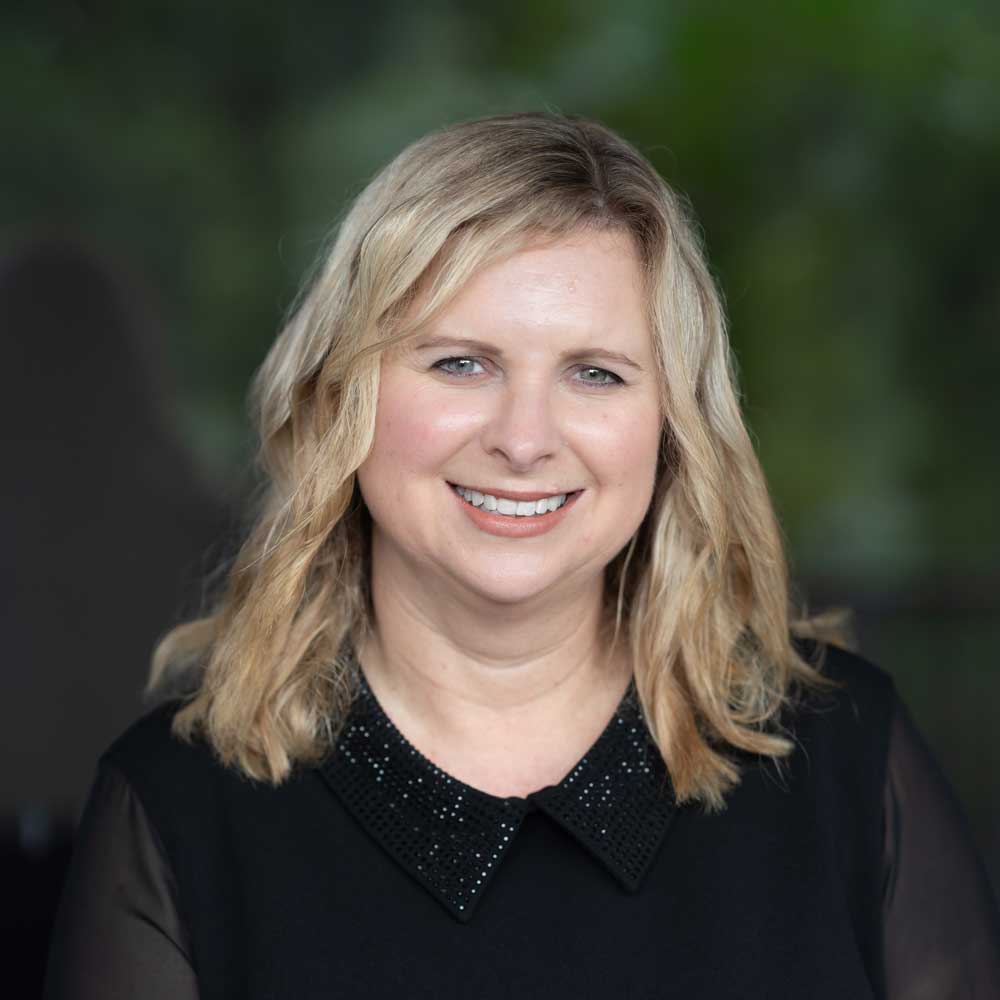
Catherine Walker is the Chief People Officer at Omegro, where she leads a global people team supporting acquisitions and talent development across the portfolio. Based in Australia, Catherine has spent nearly three years in the role and is deeply committed to a people-first approach that helps businesses grow, scale, and thrive through change.
Working closely with acquired businesses around the world, Catherine specializes in leadership development, organizational readiness, succession planning, talent management, and culture preservation. She believes that sustainable growth comes from strong leadership, empowered teams, and scalable operating practices. Catherine helps founders and leadership teams prepare for successful transitions while ensuring their people, culture, and organizational capabilities remain a foundation for future growth.
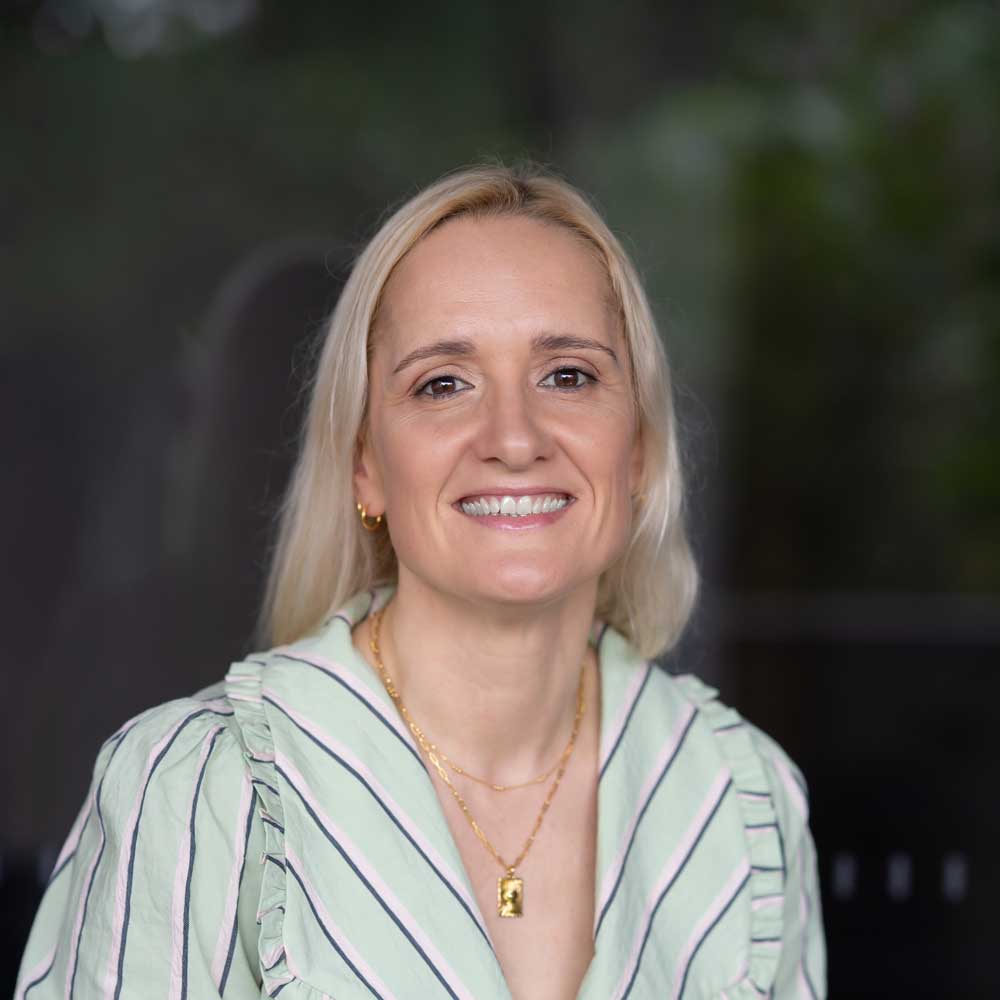
Katie Mansell is the Chief Financial Officer at Omegro and has spent more than 11 years within the Volaris ecosystem. Leading a decentralized global finance team, Katie brings extensive experience spanning operational finance, financial leadership, and mergers and acquisitions. Having progressed from Financial Controller to CFO, she has worked across multiple areas of the business and has led numerous acquisition processes from a financial perspective.
At Omegro, Katie focuses on helping founders and business owners understand the financial drivers that create long-term value. Her expertise includes due diligence, recurring revenue analysis, cash flow management, working capital optimization, and acquisition readiness. She is passionate about helping businesses present a clear financial story that enables smoother transactions and stronger outcomes for buyers and sellers alike.
STAY IN THE CONVERSATION
Insights worth carrying into the next decision.
You’ve built something great
Come and join the definitive leader for EAM